


Zush: Psychedelia and the Art of Innovation
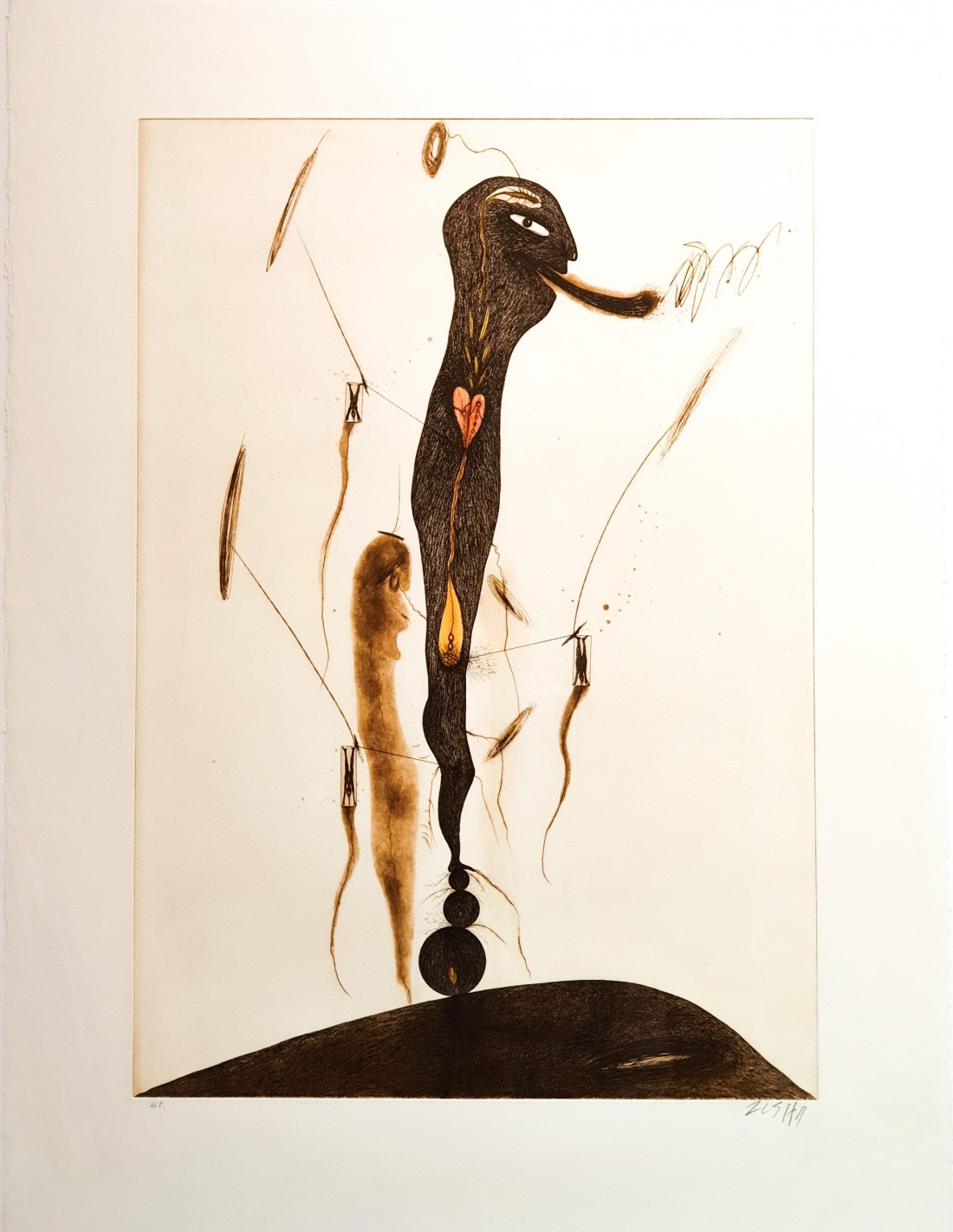
In the art world, innovation and psychedelia often intertwine in surprising ways. One artist who has explored this unique fusion is Zush, an artistic name encompassing the creative mind of Alberto Porta, born in Barcelona in 1946. In this article, we will explore the life and work of this self-taught artist, who defines himself as ArtCieMist, a combination of artist, scientist, and mystic. From his early steps under the wing of gallerist René Metras to his presence in world-renowned museums such as MoMA in New York and the Pompidou Centre in Paris, he has left an indelible mark on the contemporary art world.
 The First Creative Steps
Zush, originally known as Alberto Porta, began his artistic journey in 1968. In his early years, he explored a wide range of styles and techniques, allowing him to develop his unique creative voice. His early work often focused on psychedelia and visual experimentation, reflecting the artistic trends of the time.
The Switch to Zush
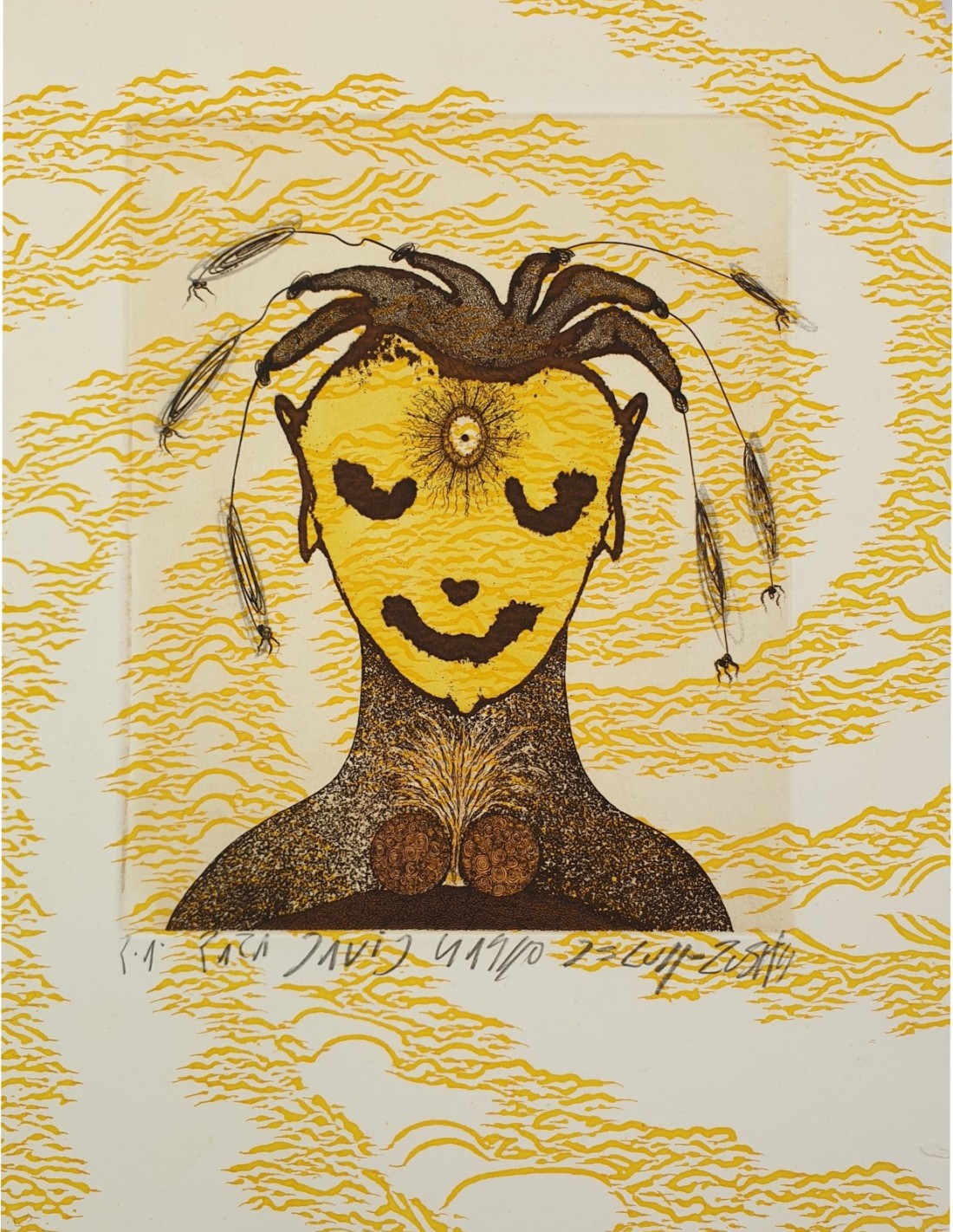
In 1968, Alberto Porta adopted the artistic name Zush, a change that marked a turning point in his career. Under this name, his works became even more intricate and abstract, attracting the attention of the international art community. His pieces challenged traditional art conventions and embraced psychedelia in its purest form.
Zush and the Fusion of Art and Science
One of his defining characteristics is his focus on the fusion of art and science. As ArtCieMist, he explored scientific and mystical concepts in his work, creating a fascinating dialogue between art and the mind. His works are often considered visual representations of abstract ideas, taking viewers on an intellectual and emotional journey.
International Recognition
Her work has been widely recognized and exhibited in museums around the world. Some of the venues where her pieces have made their mark include the Museum of Modern Art (MoMA) in New York, the Centre Pompidou in Paris, the Museo Nacional Centro de Arte Reina Sofía (MNCARS) in Madrid, the Museum of Contemporary Art of Barcelona (MACBA), the Guggenheim Museum in New York, and the Ye Um Foundation in Seoul, among many others.
Exploring Psychedelia in the 21st Century
Although Zush abandoned his artistic name in 2001, his legacy lives on in contemporary art. The psychedelia and innovation that characterize his work continue to inspire new generations of artists. His ability to challenge norms and explore the limits of the human mind through art makes him an iconic figure in the history of modern art.
Conclusion
In short, Zush, the self-taught artist who called himself ArtCieMist, has taken us on a fascinating journey through psychedelia and innovation in art. From his humble beginnings to his presence in world-renowned museums, his ability to fuse art, science, and mysticism makes him a unique figure in the history of contemporary art.
Frequently Asked Questions
1. What inspired Zush to adopt the stage name and change his creative approach?
He adopted his stage name in 1968, marking a shift in his creative approach towards psychedelia and visual experimentation.
2. Where can his works be seen today?
His works have been exhibited in world-renowned museums, such as MoMA in New York, the Pompidou in Paris and the MACBA in Barcelona.
3. How did Zush merge art and science in his work?
Zush, known as ArtCieMist, explored scientific and mystical concepts in his art, creating a unique dialogue between creativity and the mind.
4. What is Zush's legacy in contemporary art?
Zush's legacy lives on in the inspiration he provides to new generations of artists to challenge conventions and explore new frontiers in art.
5. Where can I see Zush's current works and learn more about his art?
You can view Zush's current works at the following link: La Arcada Gallery.
 Social Networks of the Gallery d'Art l'Arcada
Take this opportunity to immerse yourself in the psychedelic and innovative world of Zush and explore his legacy at La Arcada Gallery